Music
Meet The Team

Miss E Cohen
Subject Leader

Mrs L Whittenbury-Brookes
Subject Link TA

Mrs K Burbidge
Subject Link Governor
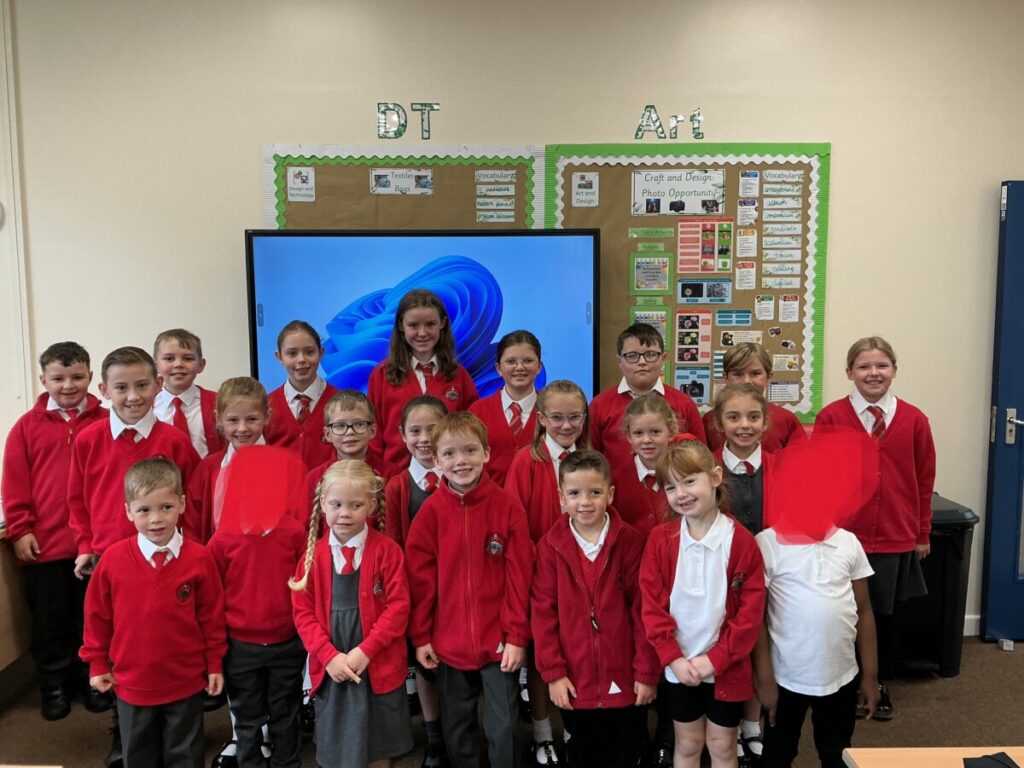
Music School Tribe
Intent
At St Saviour Primary School we value Music as part of a broad and balanced curriculum. We collaborate closely with the Bolton Music Service, as an Artsmark partner, to provide our pupils the opportunity to learn from expert musicians. We believe that all children have right to equal access of the Music curriculum whatever their race, gender, beliefs or ability. Our staff will take steps to foster equality in their everyday teaching, also equip children with the opportunities and confidence to perform, contributing to the development of positive social, emotional, mental health and wellbeing.
Music is a universal language that embodies one of the highest forms of creativity. A high-quality music education should engage and inspire pupils to develop a love of music and their talent as musicians, and so increase their self-confidence, creativity and sense of achievement. As pupils progress, they should develop a critical engagement with music, allowing them to compose, and to listen with discrimination to the best in the musical canon.
Aims
By the end of EYFS, pupils will be able to:
- Listen attentively, move to and talk about music, expressing their feelings and responses.
- Sing in a group or on their own, increasingly matching the pitch and following the melody.
- Explore and engage in music making and dance, performing solo or in groups.
- Explore, use and refine a variety of artistic effects to express their ideas and feelings
- Watch and talk about dance and performance art, expressing their feelings and responses.
By the end of KS1, pupils will be able to:
- Listen with concentration and understanding to a range of high-quality live and recorded music.
- Listen with attention to detail and recall sounds with increasing aural memory.
- Appreciate and understand a wide range of high-quality live and recorded music drawn from different traditions and from great composers and musicians.
- Use their voices expressively and creatively by singing songs and speaking chants and rhymes.
- Play tuned and untuned instruments musically.
- Experiment with, create, select and combine sounds using the interrelated dimensions of music.
- Use their voices expressively and creatively by singing songs and speaking chants and rhymes.
By the end of KS2, pupils will be able to:
- Listen with attention to detail and recall sounds with increasing aural memory.
- Appreciate and understand a wide range of high-quality live and recorded music drawn from different traditions and from great composers and musicians.
- Use and understand staff and other musical notations.
- Develop an understanding of musical composition, organising and manipulating ideas within musical structures and reproducing sounds from aural memory.
- Improvise and compose music for a range of purposes using the interrelated dimensions of music.
- Sing and play musically with increasing confidence and control.
- Play and perform in solo and ensemble contexts, using their voices and playing musical instruments with increasing accuracy, fluency, control and expression.
Implementation
The teaching of music lessons is taught by class teachers using the Kapow Music scheme of work. This scheme provides three different long term plans that all cover the curriculum in different ways. At St Saviour, we use a combination of these long term plans to ensure that our music curriculum is tailored and specific to our school. In music lessons children have many opportunities to learn and work collaboratively, we do also ensure chances are created often for independent learning and performance.
In addition to using the Kapow scheme for our curriculum music lessons at St Saviour, there are various other times where the children have musical experiences and singing opportunities outside of this scheme. For example: singing assemblies, nativities (KS1), Christmas assemblies (KS2), choir (KS2) and class assemblies.
SEN children are given the necessary support to access the curriculum and where necessary tasks are adapted. Pupils identified as working beyond year group expectations will be able to extend their experiences by applying more individuality to their work, by showcasing their talents often, and where possible working with children from other schools or being directed to agencies, such as Bolton Music Service, to further their musical potential.
Progression documents provided by Kapow Music are used in correlation with SeeSaw to ensure thorough coverage and progression. Termly assessments for every child are recorded by the class teachers and monitored by the music subject leader.
For any KS2 pupil, there is the option to take part in a weekly choir session, which is during timetabled lesson time. Choir members have many opportunities for performances throughout the year such as; the Bolton Schools Music Festival, the school summer music show and a Christmas tour of the local community.
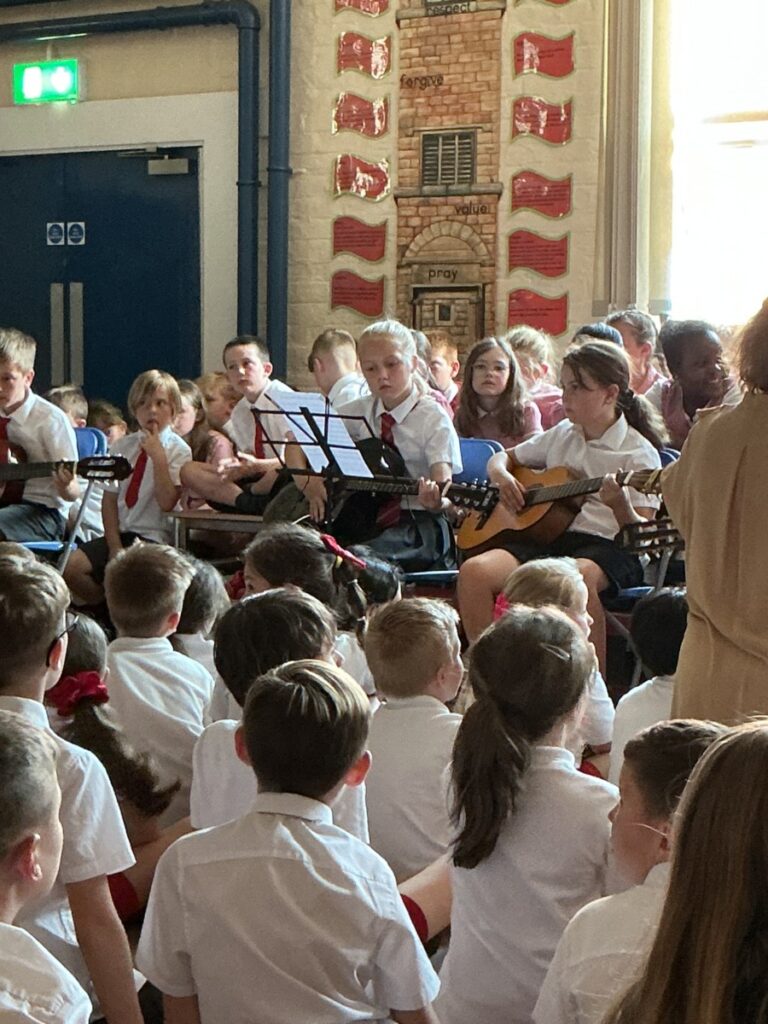
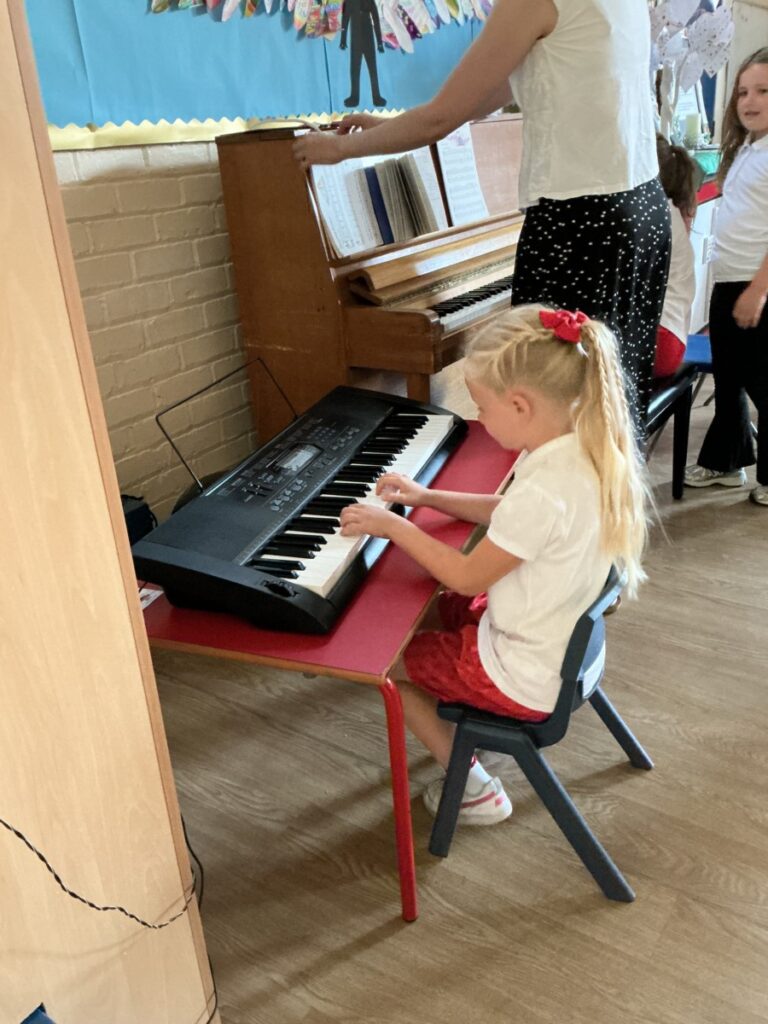
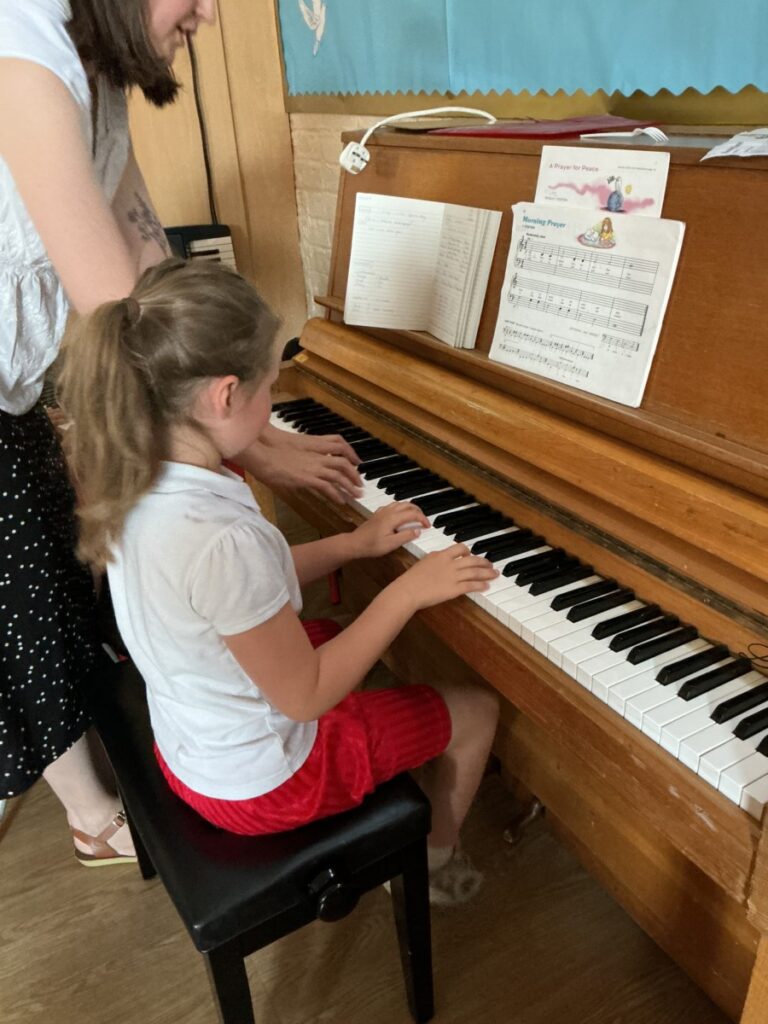
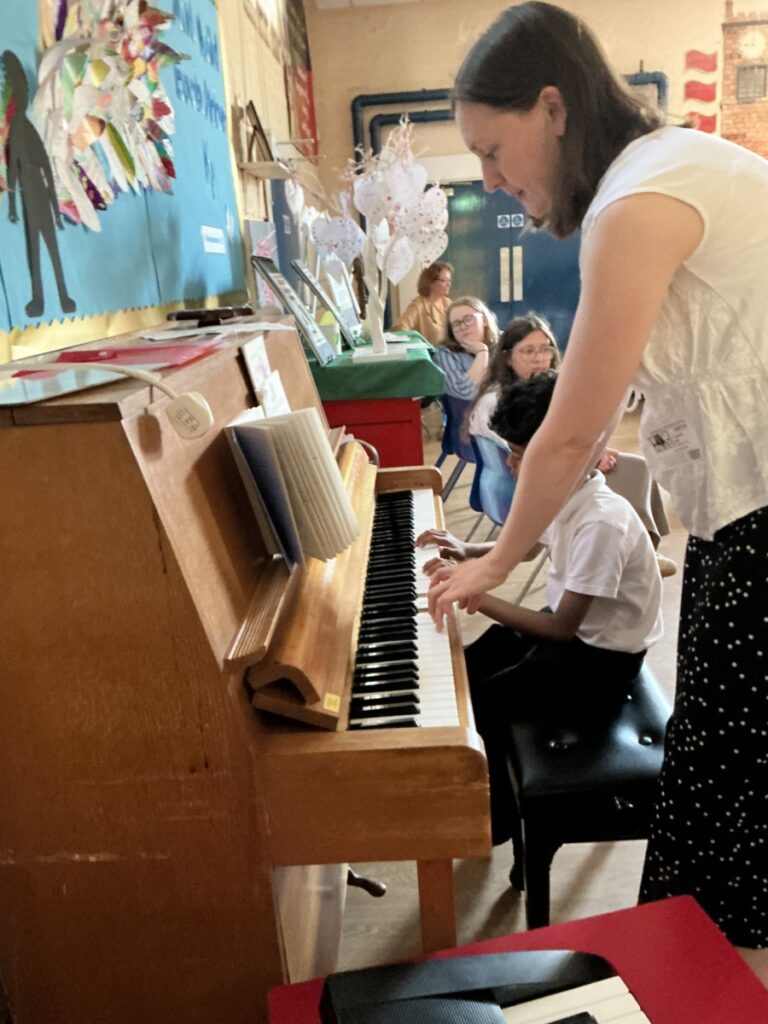
At St Saviour we have a very strong co-curricular offer. Our Year Four class take part in a weekly wider opportunities guitar lesson. KS1 classes are able to participate in Djembe drumming as a lunchtime club. Further to this, we are Music Service Direct school, which means we allow pupils to sign up to BMS for group or individual instrument tuition, which takes place during the school day.
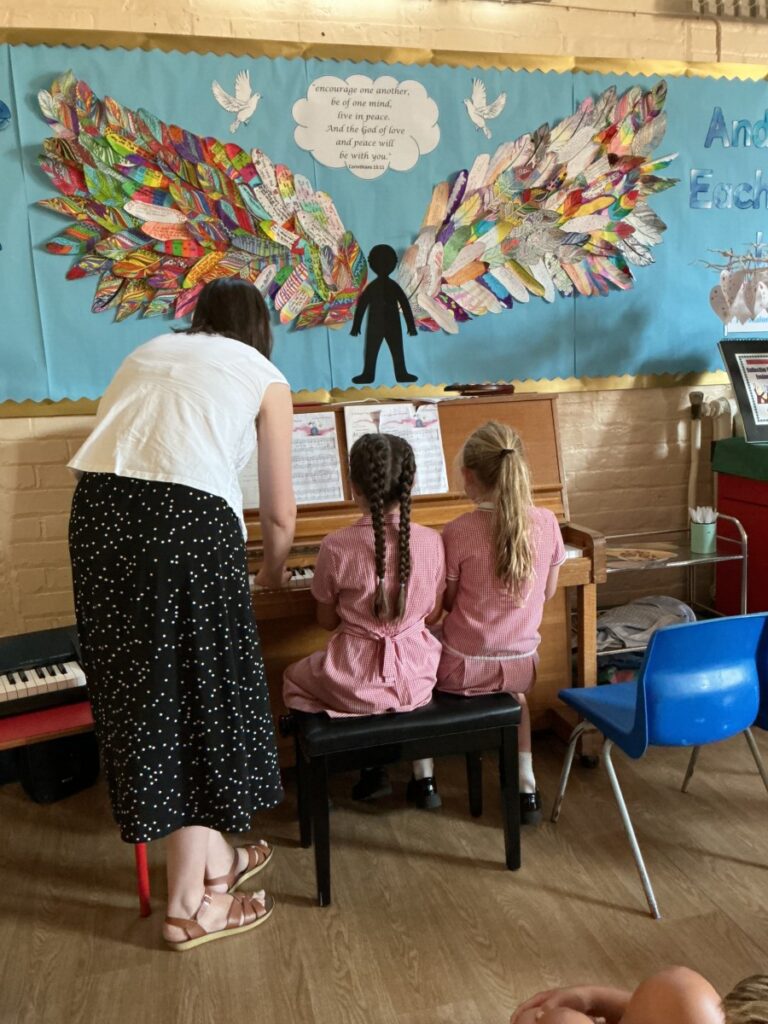
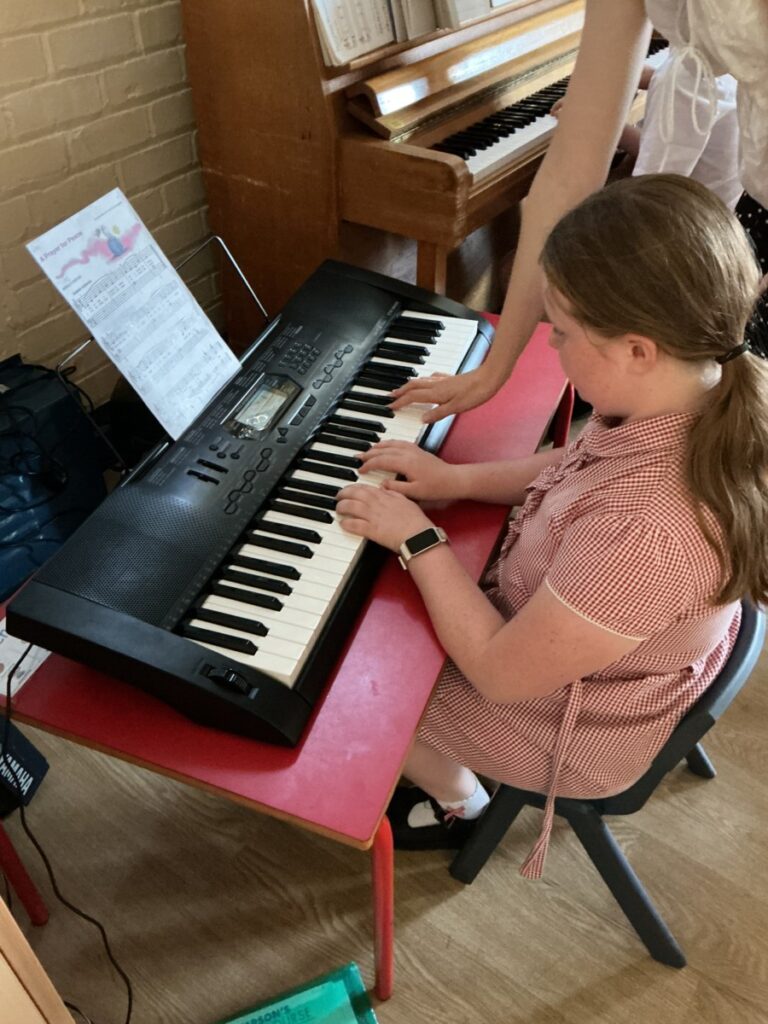
Violin, keyboard, piano and guitar are the instruments available for tuition.
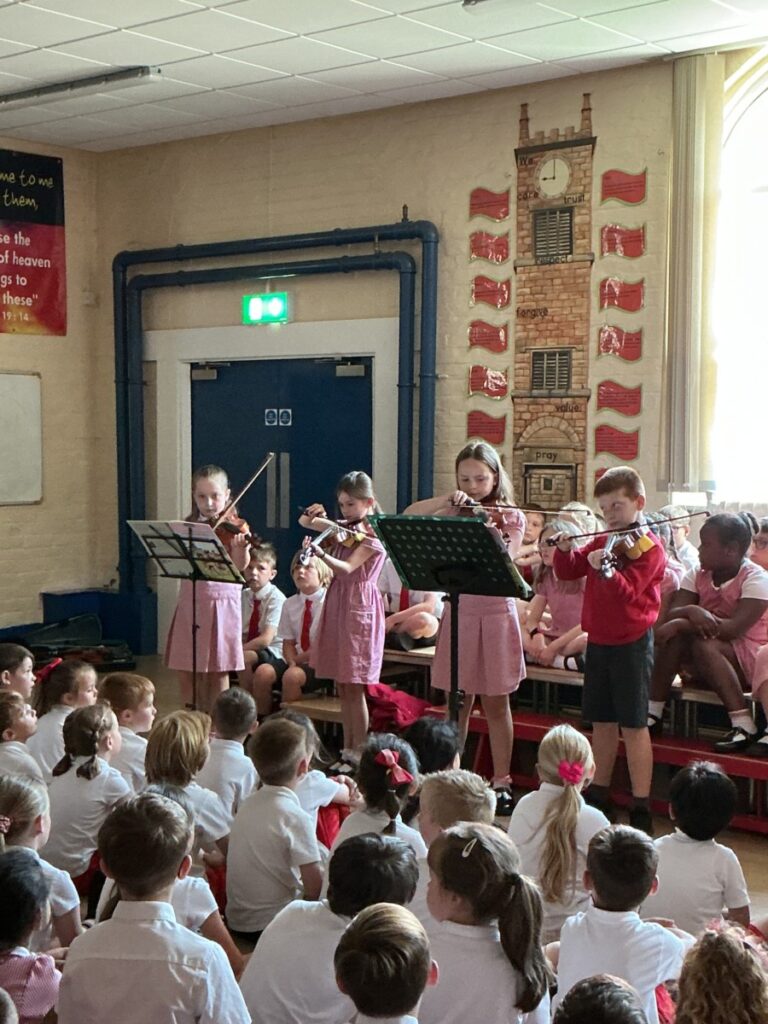
Children learning to play instruments at St Saviour have a number of performance opportunities both during the school day and beyond the school timetable. For example, termly concerts during the school day and evening performances through our school choir at events such as our school BBQs, book fairs and Bolton Schools Music Festival.
We believe performing is key to a successful music education and allows achievements to be celebrated appropriately. This is done through performances in classrooms, the hall, termly shows, and in our local area- church, supermarkets etc. Additionally, musical experiences are shared with families, the community, other schools and the public through mediums of the school website and Twitter.
We understand the need for external partnerships to support our children with their music development. We have an ongoing partnership with Bolton Music Service for weekly specialist teaching, ensembles, choirs and performance opportunities.
St Saviour invests in music professional development for its staff team. We do this through engaging specialist teachers to work with our children and our staff, accessing the teacher network meetings provided by the BMS and accessing the series of training courses offered by the music hub (BMS). Our teachers also value the training videos embedded within the Kapow curriculum.
Impact
At St Saviour, we use the Bolton Music Service and Kapow skills progression documents to support our teachers to see what progress in music looks like. This helps our teachers to identify when children are making progress and what support they may need to secure that progress.
Our music curriculum ensures that our children are confident musicians, which in turn allows them to progress to the next level of musicianship. They gain a thorough understanding of how the formal elements of music and musical notations allow music to be created, produced and communicated. Our curriculum also provides the children with a positive attitude towards listening to and experiencing music. They also understand that this benefits their mental health and wellbeing on a personal level. At St Saviour, we make good use of the
listening resources identified in the Model Music Curriculum so that children have access to a diverse range of music.
Teachers understand that their planning must take account of the individual pupil assessments which are done on a termly basis. Teachers use this information to inform future planning, ensuring children are supported and challenged appropriately. This data is analysed on a termly basis to inform and address any trends or gaps in attainment. Children in the Early Years Foundation Stage are assessed within the Expressive Arts and Design strand and their progress is also tracked termly when age related expectation levels are reported.
Key Documents
The file list below contains links to key subject documents.
1. Model Music Curriculum Key Stages 1 and 2.pdf
2. Music Policy
3. Music Overview 2024-2025
4. Music Knowledge and Skills Progression
5. Year Group Expectations.pdf
6. SEND Provision in Music.pdf
School Music Development Plan
Please find our School Music Development Plan for the Academic Year 2024-2025 below.
St Saviour CE Primary School Music Development Plan 2025-2026
Music In Action Around School
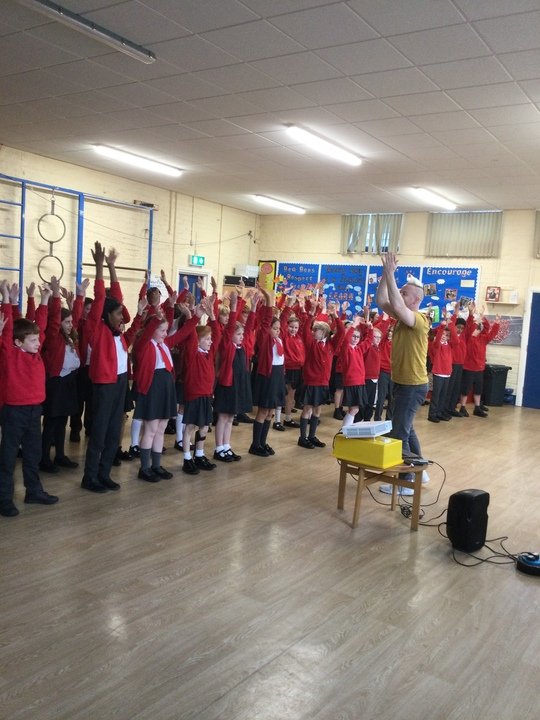
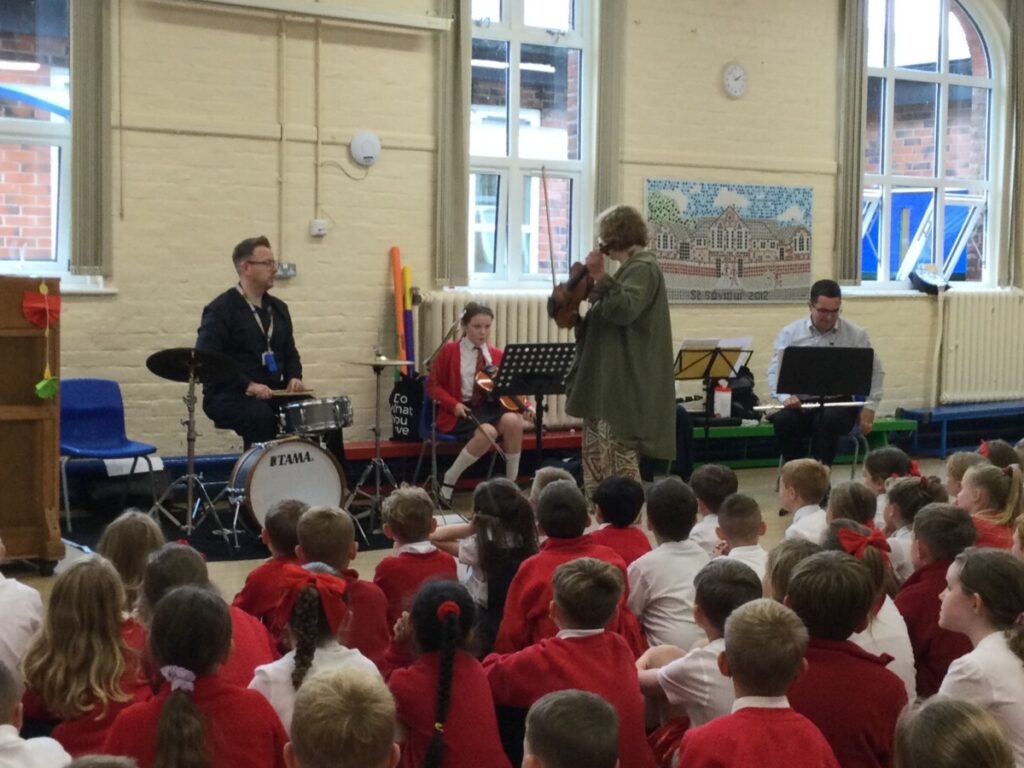
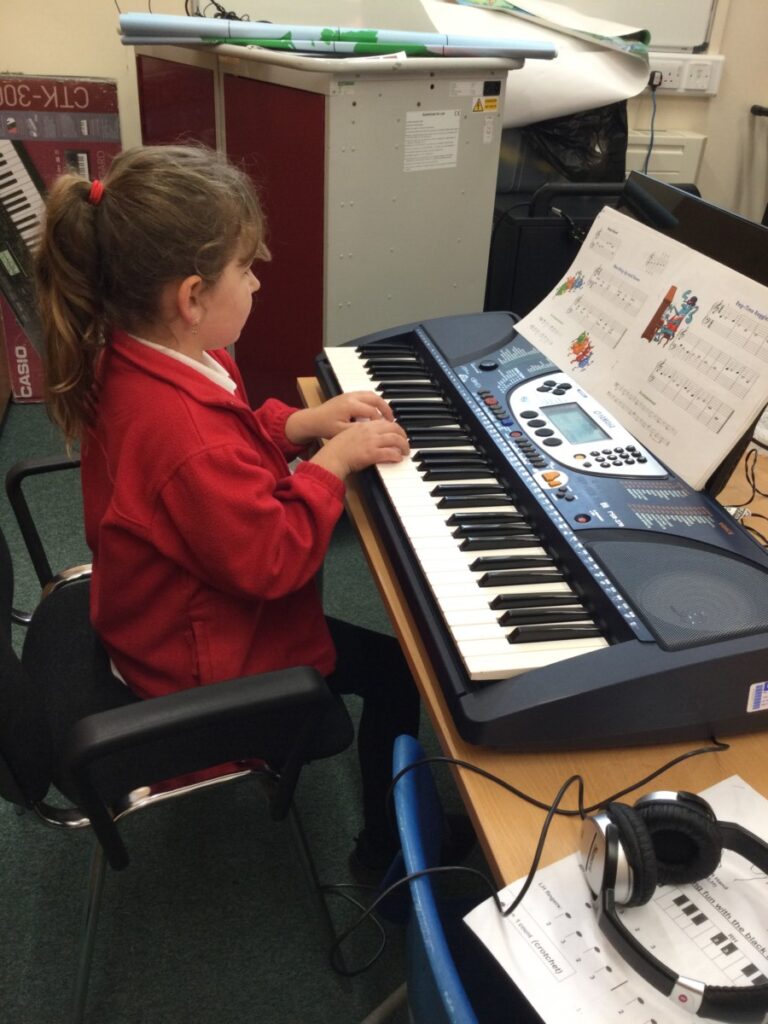
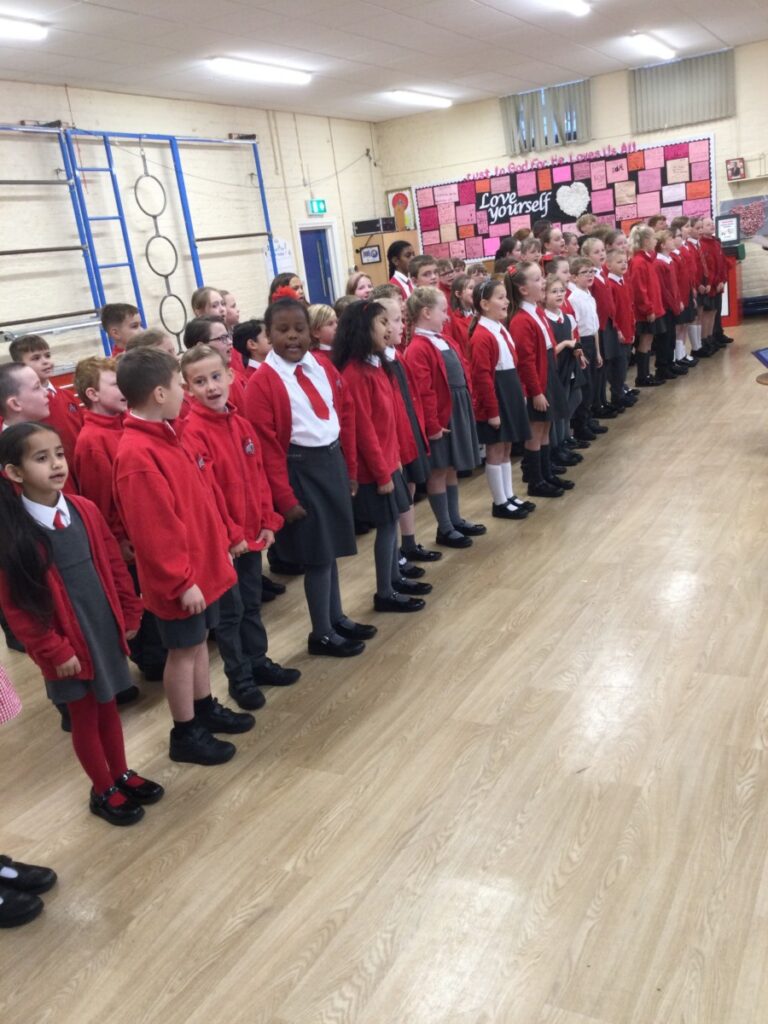
Images of Music in action around school.